


Badger Trust granted permission for legal challenge
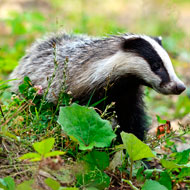
Badger culls are set to continue in Somerset and Gloucestershire this year.
The Badger Trust has been granted permission to challenge the legality of this year's badger culls, on the grounds that they will not be assessed by an independent panel.
The trust's application to the High Court for a judicial review has been accepted. It is hoped the trust will brief MPs on their legal challenge on July 7.
Last year's culls in Somerset and Gloucestershire were monitored by an independent expert panel (IEP) who assessed their humaneness, effectiveness and safety.
The IEP reported that the culls failed on both humaneness and efficacy. Pilots in both areas also failed to meet their target of removing 70 per cent of the badger population.
Earlier this year, MPs voted against a roll out of the culls to other parts of the country, but controlled shooting will begin again in Somerset and Gloucestershire this year.
Dominic Dyer, CEO of the Badger Trust welcomed news of the judicial review and said the challenge has received support from members of last year's IEP, including chairman Ranald Munro who said: “The IEP's report states clearly the rationale for ensuring that independent monitoring and the use of the statistically robust sample sizes and analytical methods, as used in the 2013 culls, are followed in further culling exercises.
“If this scientific advice is ignored then the data collected during the proposed 2014 culls will be insufficiently reliable for assessment of humaneness and effectiveness.
“This means that farmers, veterinarians and scientists intimately involved in controlling bovine TB will be denied the information necessary to allow them to assess whether the IEP's recommended changes to the culling process have corrected the failings identified by the pilot culls.”


 Defra has published guidance for the vet sector ahead of a proposed UK-EU Sanitary and Phytosanitary agreement.



