


Farmers urged to seek early intervention from vets
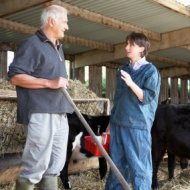
Ninety per cent of production animal vets feel their clients are influenced by what they read online.
Farmers are being encouraged to work more closely with their vet, as it is revealed that a significant number of clients present their animals later than they should.
More than 85 per cent of production animal vets who took part in the BVA's recent Voice of the veterinary profession survey said they have clients who delay presenting their animals.
The majority of these vets suspected the delay was prompted by lack of understanding, financial reasons or producers' attempts to treat or medicate the animals themselves.
Attempts to diagnose and treat using online advice was also reported as a problem, with 90 per cent of production animal vets feeling client behaviour was influenced by what they read online. Furthermore, 40 per cent believed the information to be unhelpful.
BVA president elect John Blackwell said: "It worries me to hear that people are relying on guesswork or unverified internet sources for health advice for their animals. While there is some useful information available online the best source of information for animal health concerns will always be your vet."
The most common reasons for vets to be called out to farms are musculoskeletal conditions, infertility and mastitis, according to the survey.
Mr Blackwell is urging farmers to seek early intervention. "I’d strongly encourage farmers to work on prevention rather than cure by engaging with their vet early and developing thorough dynamic heard health planning…
"It would be great to see more monitoring, measuring and adapting to improve welfare.”


 Eligible members of BEVA will be able to vote for their Council team until Monday, 17 August 2026. Members will have received an election email on 17 July.



