


Experimental vaccine is now being tested in human clinical trials
An experimental vaccine made from two Ebola virus gene segments has protected macaque monkeys exposed to the disease.
In the United States, National Institutes of Health (NIH) scientists and their collaborators have reported that one shot of the vaccine, made by incorporating the Ebola gene segments into a chimpanzee cold virus vector and called chimp adenovirus type 3 or ChAd3, protected four macaques who were exposed to high levels of the Ebola virus five weeks after inoculation. While the protective effects of the single shot waned over time, two of the four inoculated animals were protected when challenged with the Ebola virus 10 months after vaccination.
The research team, headed by Nancy J. Sullivan, Ph.D, of the National Institute of Allergy and Infectious Diseases Vaccine Research Center, also demonstrated increased levels of protection using an additional vaccine.
Four macaques were inoculated first with the ChAd3 Ebola vaccine and then eight weeks later with a booster vaccine containing Ebola virus gene segments incorporated into a different vector - a poxvirus. Ten months after the initial inoculation all four animals that received both shots were fully protected from infection.
The experimental vaccine is currently being tested in an early stage human clinical trial.
The pace of human safety testing for experimental Ebola vaccines has been stepped up in response to the ongoing outbreak in West Africa.
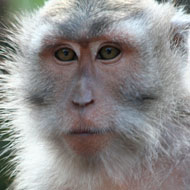
Image courtesy of Jack Merridew.


 Defra has published guidance for the vet sector ahead of a proposed UK-EU Sanitary and Phytosanitary agreement.



