


Equine vets face "concerning" risk of injury
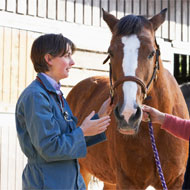
Past BEVA president Keith Chandler said he was "shocked" by the severity of injuries.
Equine vets receive more injuries during their working life than any other civilian profession, including those working in construction, the prison service and the fire brigade. This is according to the results of a survey commissioned by the BEVA - the first of its kind to ever be carried out in the UK.
BEVA's chief executive David Mountford said the findings were "very concerning", while the study's lead researcher Tim Parkin said this should be a "wake up call" to those involved in the training, employment and engagement of equine vets.
During a working life of 30 years, equine vets were found to sustain an average of seven to eight work related injuries that impede their ability to practice. Data from the Health and Safety Executive (HSE) suggests that, compared with other civilian occupations, this is a very high number of injuries.
Former BEVA president Keith Chandler said the study was commissioned in response to reports of vets being injured, often seriously and occasionally fatally.
Prior to this survey, evidence of equine vets sustaining frequent injuries was largely anecdotal - the prevalence and type of injuries have never before been quantified, though it is widely believed that some equine vets are forced to give up work due to injuries.
Findings from the survey have prompted the BEVA to raise awareness of the risks to vets, and try to find ways to make equine veterinary practice safer.
The survey was carried out by leading medical professionals at the Institute of Health and Wellbeing and the University of Glasgow's School of Veterinary Medicine. A total of 620 vets were asked what their worst work-related injury had been.
Key findings were:
- Most injuries were described as bruising, lacerations and fractures
- The leg was the most common site of injury (29 per cent), followed by the head (23 per cent)
- The main cause of injuries was a kick from the horse's hind limb (49 per cent)
- Eleven per cent were injured by a strike from a forelimb, and 5 per cent sustained crush injuries
- A quarter of injuries resulted in hospital admission
- In 7 per cent of cases, the vet reported loss of consciousness due to the injury
- "Pleasure" horses accounted for 38 per cent of the worst injuries
Mr Chandler says those injuries appeared to be more common during certain procedures, for example while changing bandages or during wound management - when the vet is crouched down next to the patient for a long period - or during endoscopy of the respiratory tract - when vets are partly sighted and using examination equipment.
The BEVA is looking to work with its members, HSE, veterinary schools and large employers of vets to develop strategies for reducing the risk of injury to equine vets.


 Eligible members of BEVA will be able to vote for their Council team until Monday, 17 August 2026. Members will have received an election email on 17 July.



