


Google and ZSL trial ground-breaking technology
ZSL London Zoo has teamed up with Google to trial ground-breaking technology, which uses television whitespaces (TVWS) to monitor and protect endangered species.
TVWS are the "gaps" between digital television frequencies. This allows data to be transmitted across long distances and through blockages such as trees and foliage. It is hoped this technology may one day help to protect endangered species by allowing field conservationists to monitor areas that have previously been too difficult.
Louise Hartley, who is co-ordinating the project known as "whitespaces for wildlife", said remote monitoring is a key conservation tool. It not only helps conservationists to learn more about species, but enables them to detect activities including poaching and illegal logging.
"With projects in more than 50 countries around the world, ZSL’s conservationists work in some of the planet’s most difficult-to-reach areas, from the vast expanse of the Saudi Arabian desert to the dense jungles of Sumatra," she explained.
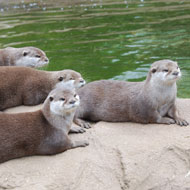
Cameras and radios have been installed in London Zoo's otter, meerkat and giant tortoise enclosures. With help from Google, ZSL plans to wirelessly transmit live video footage of the animals to YouTube. Google's Spectrum Database will ensure there is no interference with existing channels.
ZSL's aim is to incorporate TVWS into its Instant Wild system, which is used for monitoring wildlife and in anti-poaching operations. It is hoped this may boost the range and capability of Instant Wild.
Louise said: "The prototype systems at ZSL London Zoo are already demonstrating that they can transmit high definition video over long distances, confirming their invaluable potential to use wireless connectivity to transform ZSL’s worldwide conservation work."
Image courtesy of ZSL London Zoo


 Defra has published guidance for the vet sector ahead of a proposed UK-EU Sanitary and Phytosanitary agreement.



