


Governments agree to step-up action for migratory animals at UN wildlife convention
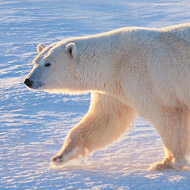
Polar bears are among 31 species set to benefit from greater international protection by the UN's Conservation body, following six days of intense talks by leading conservationists.
The decision was reached during the Convention of Migratory Species of Wild Animals (CMS) meeting in Quito, Equador, which attracted over 900 delegates including national government organisations and a large number of conservation experts.
Polar bears came to the attention of the convention because of the worrying threats they face. Of 19 recognised subpopulations, four are classified by the Polar Bear Specialist Group of the IUCN Species Survival Commission as 'declining', and nine as 'data deficient', with only one classified as 'increasing'.
The biggest threat to the species is melting polar ice, which is now more than two million square kilometres less that in was in the late 20th century. By 2100, it is expected to decline an additional 10-15 per cent. Some polar bear populations are also directly impacted by human activities such as shipping, oil exploration and hunting.
After six days of intense negotiations, it was concluded that polar bears would be added to Appendix II of the CMS list, meaning that countries must work together to put in conservation plans.
The listing has been welcomed by the Born Free Foundation and Born Free USA representatives, who say that the move extends additional protection that polar bears desperately need.
Mark Jones from the Born Free Foundation said: “The CMS Appendix II listing is a milestone in international efforts to protect the iconic polar bear. The engagement of the CMS family will provide mechanisms for supporting and strengthening exiting multilateral and bilateral collaborative measures between Arctic States and indigenous Arctic communities aimed at conserving polar bears.”
Other animals set to benefit from greater protection include the Cuvier's Beaked Whale, the hammerhead shark and reef manta ray.


 Defra has published guidance for the vet sector ahead of a proposed UK-EU Sanitary and Phytosanitary agreement.



