


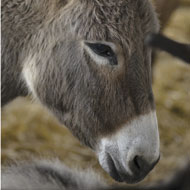
Research findings hope to improve the lives of millions of working equids
New research has found a high incidence of severe lameness, pain and abnormalities of the spine, foot, joint and tendons in working donkeys. It has also underlined the importance of non-steroidal anti-inflammatory drugs (NSAIDS) in dealing with pain-related behaviour.
Dr Becky Way, from the University of Bristol, led three studies to improve understanding of the welfare issues facing working equids.
More than 42 million horses and 95 per cent of the world's donkeys are found in developing countries.
Dr Way explained: "Working horses and donkeys support the livelihoods of some of the world’s poorest people. However, these animals are often overburdened and used for long hours in harsh conditions.
“We hope our research will make a difference to the lives of these animals and our work will advise owners and vets on how to better look after their animals.”
Researchers aimed to determine the severity of lameness in all working donkeys examined, as well as the clinical signs and affected bone and muscle structures. They believe their findings have paved the way for future studies to identify the risk factors for lameness and to create suitable interventions.
Another paper explores pain-related behaviour in donkeys, to help owners and vets to recognise and manage pain. Findings suggest working donkeys were more active and alert after receiving the NSAID meloxicam.
The research team also found a high incidence of multilimb lameness in working draught horses. They say the link with pain was of serious concern. It is hoped the findings will help identify risk factors and put treatment in place to reduce the frequency of lameness in working equids.
Recently, the International Colloquium on Working Equids was held to address the welfare issues facing 100 million working horses, donkeys and mules. Wider access to research was recommended to encourage greater collaboration globally.
Melissa Upjohn, research co-ordinator at animal welfare organisation, the Brooke, which funded the studies, said: "More research into the problems affecting working horses, donkeys and mules is vitally needed in order to improve the welfare of the animals that support the livelihoods of millions of people across the world."
All three research papers have been published online in the Equine Veterinary Journal:
The range and prevalence of clinical signs and conformation associated with lameness in working draught donkeys in Pakistan
Identifying behavioural differences in working donkeys in response to analgesic administration


 Eligible members of BEVA will be able to vote for their Council team until Monday, 17 August 2026. Members will have received an election email on 17 July.



