


Mass extinction possible in a few centuries
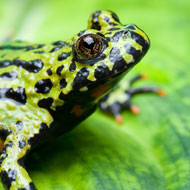
Forty-one per cent of amphibian species are thought to be at risk of extinction.
Experts have warned that we may face another mass extinction in the next few centuries, where 75 per cent of species are lost. However, there is much uncertainty as to how many species exist and how quickly they will vanish.
Estimates on the number of animal species range from two million to 11 million, making it difficult to determine the percentage of species under threat. A report published recently in the journal Nature attempts to pull together the most reliable data.
According to available knowledge, amphibians are the most imperilled, with 41 per cent of species thought to be at risk of extinction. This is partly due to the deadly chytrid fungus, which devastates amphibian populations around the globe.
Meanwhile, over a quarter (26 per cent) of mammals and 33 per cent of birds are threatened with extinction.
If these trends continue, it is possible that we will see the sixth mass extinction in the history of the planet, in just a few hundred years.
Humans are cited as a major cause of species decline, with hunting and habitat destruction proving particularly damaging. It is thought climate change will increase the pace of extinctions in the future, though scientists say this is difficult to predict.
While there are many discrepancies in the numbers of species that exist and the level of threat they are facing, scientists are agreed on the need to further evaluate the current and future threats.
One way to do this, according to the report, is to use a computer model that has been developed to forecast the effect of human activities on ecosystems.
To read the full report, visit: http://www.nature.com/news/biodiversity-life-a-status-report-1.16523


 Defra has published guidance for the vet sector ahead of a proposed UK-EU Sanitary and Phytosanitary agreement.



