


Reptiles linked to 27 per cent of Salmonella cases
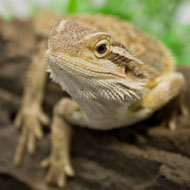
Patients with reptile-associated Salmonella were more likely to be hospitalised.
More than 25 per cent of Salmonella cases in children under five are reptile-associated, new research suggests. The severity of the illness is also likely to be higher in cases linked to reptiles.
Research published in the Archives of Disease in Childhood looks at cases of salmonellosis in children in South West England.
Led by Dr Dan Murphy from Royal Cornwall Hospital, researchers analysed cases reported to public health authorities from January 2010 to December 2013.
Out of 127 cases, more than a quarter (27 per cent) of Salmonella patients had been exposed to reptiles.
The median age for reptile-associated (RAS) cases was six months, compared to one year for non-RAS cases.
Patients with RAS Salmonella were also found to be 2.5 times more likely to be hospitalised.
Furthermore, significantly more RAS cases had an invasive form of disease. Out of 48 cases, five had bacteraemia, two had meningitis and one had colitis. This is compared to the non-RAS cases, where three had bacteraemia and one had meningitis.
Salmonella causes vomiting and diarrhoea which can last for months in some cases. While it is not usually life-threatening, complications can arise in the very young, very old, or immune-compromised.
It can be carried in the gut of reptiles and shed in the droppings. Bacteria quickly spreads over the skin and can contaminate anything the reptile comes into contact with.


 Defra has published guidance for the vet sector ahead of a proposed UK-EU Sanitary and Phytosanitary agreement.



