


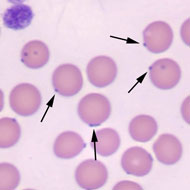
Significant strides made in understanding haemoplasmas
A vaccine may be able protect cats and farm animals from potentially deadly haemoplasma infections. This is according to researchers from the University of Bristol, who have offered new insights into immune responses to these infections.
Haemoplasmas are a group of blood-borne bacteria that can cause severe anaemia. They are found in domestic and wild cats, as well a wide range of other mammals. A human case of haemoplasma-related anaemia was also recently reported.
Bristol researchers studied the haemoplasma, Mycoplasma haemofelis. According to results published in Clinical and Vaccine Immunology, cats that had previously recovered from infection, were protected from re-infection.
Lead author Dr Séverine Tasker, said: "This is the first study to demonstrate protective immunity against M. haemofelis reinfection and it provides important information for a possible future haemoplasma vaccine.
"Our findings could help prevent the disease in cats and could also be of particular importance to farm animal species where haemoplasma infections can cause huge financial losses."
Antibiotic treatment does not consistently clear the infection, and without proper treatment, the infection can be fatal.
Previously, little was known about the immune responses that occur in animals following infection. Researchers are unable to grow these bacteria in a laboratory, making them difficult to study.
Despite extensive research, the team were not able to determine the exact methods of protective immunity. Nonetheless, researchers say the study suggests a vaccine using a weakened form of the bacteria could protect against haemoplasma infection.
Future research should be carried out, they say, to find out whether the bacterial infection could be passed from animals to humans and how the immune system targets the pathogen.
Image courtesy of School of Veterinary Sciences, University of Bristol


 Defra has published guidance for the vet sector ahead of a proposed UK-EU Sanitary and Phytosanitary agreement.



