


New insights on distemper in lions
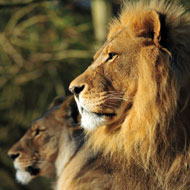
"Protecting endangered species from CDV infection is important".
Scientists say more work needs to be done to address canine distemper virus (CDV) in endangered species. New research has raised questions about which carnivores are spreading the virus in the Serengeti.
According to the study, CDV continues to spread among lions in the region, despite the fact that vaccination campaigns have successfully reduced infections in dogs. Previously, it was unclear how successful these vaccination programmes had been.
CDV is most common in domestic dogs and other canines, but it can also affect skunks and raccoons, and poses a threat to big cats such as lions and tigers.
Vaccination programmes were introduced in 1996 after a CDV epidemic in Tanzania wiped out around 30 per cent of lions in the Serengeti.
A team led by researchers from the University of Glasgow analysed data collected from the blood serum of lions and dogs between 1984 and 2012.
Their findings, which were published in the journal PNAS, suggest that dogs were initially responsible for transmitting the virus to lions. However, the team believe the virus is now being maintained by other carnivores, possibly including wildlife.
Since the 1990s, researchers say there has been a rise in the frequency of lion infections, while dog infections have fallen. In addition, the infection peaks in lions and dogs are not always related.
Mathematical biologist, Mafalda Viana, from the University of Glasgow, said: "Dog vaccination programmes are certainly effective at reducing CDV infection in dogs and should continue. But our study has shown that, because of the changing pattern of infections, such programmes alone might not be sufficient to fully prevent infection in other species.
"Protecting endangered species from CDV infection is important so we need to look more closely to find out where CDV is being harboured."
The authors say further research involving a wider range of species is needed to find out how the virus persists in ecosystems.


 Defra has published guidance for the vet sector ahead of a proposed UK-EU Sanitary and Phytosanitary agreement.



