


MPs ask: 'Will the badger cull continue?'
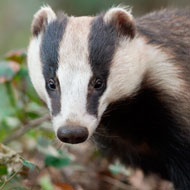
In 2014, the cull licence set out that a minimum of 615 badgers should be removed from the population, but only 274 were culled.
MPs have asked Defra to confirm whether badger culling will take place in Gloucestershire this summer, and if so, what changes will be made to ensure effectiveness.
During both years of badger culling in Gloucestershire, targets have not been met, leading chief veterinary officer Nigel Gibbens to admit recently that culling in that area may not reap the benefits of TB reduction in cattle.
He said: "Given the lower level of badger population reduction in the the Gloucestershire cull area over the past two years, the benefits of reducing disease in cattle over the planned four-year cull may not be realised there."
In its annual report on Defra's performance, the Environment, Food and Rural Affairs (Efra) Committee asks Defra to explain why the second year of badger culls in the region failed to meet its target.
In 2014, the cull licence set out that a minimum of 615 badgers should be removed from the population, but only 274 were culled.
Culling also fell short of the target in 2013, when only 30 per cent of the estimated badger population were culled in the region. In order to effectively reduce TB in cattle, the target was set at 70 per cent of the population. The independent expert panel monitoring the culls said they failed on humaneness and efficacy.
Defra has blamed protesters for the failure to meet targets in Gloucestershire. In a speech to the Oxford Farming Conference earlier this year, environment secretary Liz Truss said: "The situation Gloucestershire reflects the challenges of extensive unlawful protest and intimidation."
Last year, the culls were not independently monitored, which prompted the BVA president John Blackwell to imply that the association may withdraw its support for the culls.
In a statement late last year, he said: "We have made it very clear to Defra that our ongoing support should not be taken for granted… It is no secret that some of our members are frustrated by the lack of independent analysis this year and we are disappointed that it has not been put in place to give confidence to our members and the wider public."
Despite failing to meet targets, Mr Gibbens recommended that culling should continue in Gloucestershire in 2015, and at least one more year after that, "provided there are reasonable grounds for confidence that it can be carried out more effectively", for example by carrying out "contractor training and assessment, improved operational planning, monitoring and delivery."
The Efra Committee has asked Defra to clarify whether culling will continue in Gloucestershire from 2015 onwards, and if so, asks what changes will be made in line with Mr Gibbens' recommendations.
In addition, the committee asked Defra to publish a timeline for the development and use of a cattle vaccine and said the department should do all in its power to condense the timeline set out by the European Commission, without compromise to the collection of robust field data.


 Defra has published guidance for the vet sector ahead of a proposed UK-EU Sanitary and Phytosanitary agreement.



