


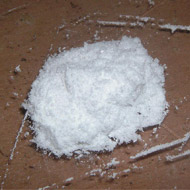
Move would prohibit ketamine's use in both human and veterinary medicine
The World Health Organisation (WHO) have launched a petition against proposals to reschedule ketamine as a controlled substance with international scope.
Several countries are lobbying to have the Commission on Narcotic Drugs re-schedule the drug. The move would effectively prohibit ketamine's use in both human and veterinary medicine.
WHO is petitioning against the proposal as they believe it will significantly undermine the ability to provide cost effective anaesthesia and analgesia in various parts of the world.
If it does go ahead, every aspect of ketamine production would have a mandated compliance and regulatory protocol attached to it. This would reduce the supply - because increased costs would cause some manufactures to leave the market. It would also result in a restriction of its use to essentially experimental settings, as it would be scheduled with drugs such as LSD.
The WSAVA are concerned that, should the motion to reschedule the drug move forward, it would result in additional restrictions on access to it.
"It could effectively remove it from veterinary use," said a spokesperson.
In a statement defining their position, the WSAVA Global Pain Council said: "Access to anesthetic and analgesic drugs is imperative for the mitigation of animal suffering and the WSAVA's Global Pain Council was created to address inequalities in both education and access to analgesic/anesthetic modalities in differing regions of the world.
"In some regions, ketamine is the only analgesic/anesthetic agent available to the veterinary profession and is essential to enable veterinarians to perform their day-to-day activities in an ethical and humane manner.
Restrictions on its use would have a significant and negative impact on animal welfare on a global scale. As such, the WSAVA and its Global Pain Council lend their support to the Ketamine Fact Sheet and efforts to halt any initiatives that seek to have it rescheduled."
The WSAVA are now calling for vets to support them by letting the secretariat know of their opposition to the proposal.
"We will add you voice to the growing global small animal veterinary voice opposing this initiative," they add.
For more information on ketamine visit www.wsava.org
Image (C) Coaster420


 Defra has published guidance for the vet sector ahead of a proposed UK-EU Sanitary and Phytosanitary agreement.



