


World Veterinary Day focuses on vector-borne diseases
This year's global day celebrates the role of vets in raising awareness of vector-borne diseases.
Vector-borne diseases with zoonotic potential are the focus of this year's World Veterinary Day, which takes place tomorrow (25 April).
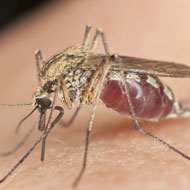
The global day was initiated 15 years ago by the World Veterinary Association. This year it will celebrate the work of vets across the globe in raising awareness of vector-borne diseases, which are transmitted from one animal to another, often via biting insects such as mosquitos.
The International Federation for Animal Health has welcomed the theme for this year. Executive director Carel du Marchie Sarvaas, said: "We're delighted that this year's World Veterinary Day theme will highlight the issues caused by vector-borne diseases.
"VBDs is a topic that IFAH has had a strong focus on for the last 12 months, acknowledging the significant and growing potential for these diseases to affect both animal and human health."
Such diseases account for around 17 per cent of all infectious diseases globally and are responsible for high morbidity levels in humans, economic losses in livestock and compromised animal welfare.
Each year there are more than 17,000 reported cases of African sleeping sickness in humans. The disease is also responsible for annual cattle production losses of up to $1.2 billion. It affects 36 sub-Saharan African countries.
"It is essential that everyone appropriate involved in human and animal health tackle vector-borne diseases collaboratively and head on, to prevent further devastation and loss of life where we can," Carel added.


 Defra has published guidance for the vet sector ahead of a proposed UK-EU Sanitary and Phytosanitary agreement.



