


Global teams test pH sensors in bid for $2m prize
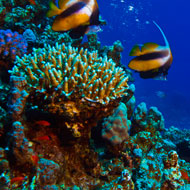
Rising acidity is already having a serious impact on ocean chemistry, damaging the health of shellfish, fisheries, coral reefs and other ecosystems. (stock image)
Five competing teams from around the globe have headed off to Hawaii for week-long testing of their pH sensors, which have been designed to measure ocean acidification. It is the final stage of the $2 million Wendy Schmidt Ocean Health Xprize.
The competition is being held to develop pH sensor technology to help tackle the growing problem of ocean acidification, which is driven by rising carbon dioxide emissions.
Rising acidity is already having a serious impact on ocean chemistry, damaging the health of shellfish, fisheries, coral reefs and other ecosystems.
Current pH sensor technology is too expensive and imprecise to offer sufficient knowledge on the state of ocean acidification.
The five competition finalists, from the UK, US, Japan and Norway, boarded the R/V Kilo Moana yesterday (14 May) to take part in a deep sea trial approximately 100 miles off the shores of Oahu.
The sensors will go through stringent performance tests focusing on stability and accuracy while faced with the challenges of cold and immense pressure that can crush man-made objects.
In order to get to this stage, the teams had to complete a three-month trial in controlled laboratory conditions at Monterey Bay Aquarium Research Institute, followed by a month-long performance test at Seattle Aquarium.
UK team ANB Sensors is made up of a team of scientists and researchers from the Schlumberger Gould Research Center.
Other teams are HpHS from Yokosuka, Japan, Sunburst Sensors and Team Durafet from the US and Team XYLEM from Norway. The winner will be announced in July.


 Defra has published guidance for the vet sector ahead of a proposed UK-EU Sanitary and Phytosanitary agreement.



