


'Apocalypse' warning over antibiotic resistance
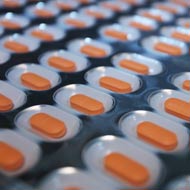
There are currently around 200 antibiotic drugs but no new classes have been developed since the 1980s.
Experts have given the latest in a series of dire warnings about the consequences of antibiotic resistance in a new BBC Panorama programme, which highlighted some of the major obstacles in tackling the issue.
Some superbugs are now resistant to nearly every antibiotic; loss of the remaining drugs would be catastrophic. The UK's chief scientific advisor Dame Sally Davies said resistance could be "apocalyptic".
Economist Jim O'Neill, who is leading an independent review of antibiotic resistance, said during the programme: "If we don't solve this problem, in three years' time we'll have 10 million people a year dying from this."
Dr Nick Beeling, an infectious disease consultant at the Royal Liverpool Hospital said the situation is "our worst nightmare" and could take us back to the Stone Age.
"Everything we take for granted in modern medicine would go; treating people will blood poisoning; people get infections after giving birth, most kinds of surgery, hip replacements, cancer treatments of all sorts..."
Experts cited a number of reasons for the situation we find ourselves faced with, including the complacent use of antibiotics in the 70s and 80s in particular.
There are currently around 200 antibiotic drugs but no new classes have been developed since the 1980s. In the past decade, GlaxoSmithKline (GSK) have spent $1 billion on research but failed to deliver any new drugs. When they came close to a new antibiotic, it started to show signs of resistance.
Part of the problem with developing new classes of antibiotic is the limited return for investors. GSK's president Patrick Vallance explained it costs $1 billion and 10-15 years to develop a new antibiotic, which would then be used only sparingly to protect it.
"There's a limited number of times any company can do that," he explained. For this reason, many pharmaceutical companies have pulled out of such research.
The NHS now relies on one class of antibiotics - carbapenems - to deal with resistant infections.
Panorama reporters visited over half a dozen pharmacies in Delhi, India, to see if they could purchase these 'last resort' antibiotics. Not only were they able to purchase them without a prescription, but no questions were asked - despite the fact there are laws in place to restrict the sale of antibiotics in the country.
Mr O'Neill said while this is "distressing", he was "not surprised" the team were able to purchase carbapenems so easily. "It's part of the challenge and problem I'm facing in trying to come up with a solution. This sort of thing has got to stop."
Dame Sally Davies also said the use of antibiotics as growth promoters in farming has got to stop, but until the US phases this practice out developing countries say 'why should we?'
Whatever the cause, experts were agreed that more innovation - and therefore more investment - is needed. Mr O'Neill called on pharmaceutical companies to invest $2 billion into an innovation fund for researching new antibiotics.
To watch the programme, visit: http://www.bbc.co.uk/iplayer/episode/b05wgq4g/panorama-antibiotic-apocalypse


 Defra has published guidance for the vet sector ahead of a proposed UK-EU Sanitary and Phytosanitary agreement.



