


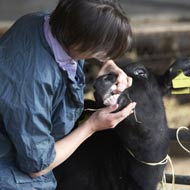
Over the past year, 53 per cent of vets working with production animals on farms say they have suffered injuries. This is according to the BVA's Voice of the Veterinary Profession survey.
Nearly a fifth of these vets rated the injuries as either very or quite severe.
The most common injury was bruising caused by kicks. Others reported were lacerations, crush injuries, head injuries and fractures caused by kicks.
Vets that took part in the survey described some of their injuries:
- “Kicked in the side of the head while castrating a calf.”
- “Most common injuries involve cattle crushes and squashed body parts.”
- “Bruised and shocked – both attacks on same farm doing whole herd testing on separate bulls, one stock and one beef bull. Both attacked from behind on a farm with poor facilities.”
BVA's president John Blackwell said health and safety assessments could reduce the number of these injuries and save lives.
"Farmers and vets up and down the country have seen colleagues injured on farms and consequently unable to work. Many injuries are avoidable if veterinary practices, their employees and farmers all take action to minimise the risks."
BVA is urging vets, veterinary employers and farmers to use its resources to lower the risk of on-farm injuries.
These include a Farm Health and Safety Guide for practices. This includes a list of the most common risks to assess, requirements for reporting accidents, guidance on developing a practice policy and the acts and regulations that aim to reduce farm injuries and deaths.
It is also accompanied by a risk assessment form to give employees an overview of the potential risks on each farm.
In addition, BVA offers a client advice leaflet for farmers, describing what they should put in place to allow vets to work safely on the farm.


 Eligible members of BEVA will be able to vote for their Council team until Monday, 17 August 2026. Members will have received an election email on 17 July.



