


Scientists repair liver using stem cells
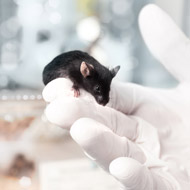
Liver stem cells were transplanted into mice with liver failure. (stock photo)
For the first time, scientists have managed to repair a severely damaged liver using stem cells grown in the laboratory.
It is hoped their findings will lay the foundations for cell-based therapies in the future, which could offer those with liver failure an alternative to organ transplants.
Scientists from the University of Edinburgh transplanted liver stem cells into mice with liver failure. Over several months, they saw major parts of the liver being regrown from these cells, improving its structure and function.
It is the first time researchers have been able to repair the liver to this extent. If the same effect can be demonstrated with human cells this could be a useful treatment for liver failure.
"Revealing the therapeutic potential of these liver stem cells brings us a step closer to developing stem cell based treatments for patients with liver disease," said Professor Stuart Forbes, from the university's Medical Research Council Centre for Regenerative Medicine.
"It will be some time before we can turn this into reality as we will first need to test our approach using human cells. This is much needed as liver disease is a very common cause of death and disability for patients in the UK and the rest of the world.’"
Long-term, the team are hoping to find a way of using medicines to stimulate the patient's own stem cells to repair the damage.
Although the liver has a great capacity to repair itself, conditions such as cirrhosis and liver failure make this impossible.
Hepatocytes within the liver make proteins and break down toxins. They have been used for transplantation before but their use is limited by the fact that they don't grow well under lab conditions.
This can be overcome with liver stem cells as they can be grown in these conditions and can change into hepatocytes and other types of liver cell.


 Defra has published guidance for the vet sector ahead of a proposed UK-EU Sanitary and Phytosanitary agreement.



