


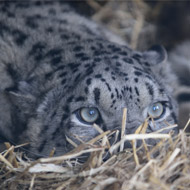
RSZZ Highland Wildlife Park hope pair will eventually have cubs
RZSS Highland Wildlife Park has welcomed the arrival of two endangered snow leopards. The only place in Scotland where they can be seen, it is hoped that the pair will go on to have cubs and help to increase the worldwide population of these big cats.
The news follows the park's announcement of a three year agreement with the Snow Leopard Trust and Norden Ark in Sweden, who coordinate the overarching European breeding programme. The agreement is a collaborative project which focuses on snow leopards and Pallas' cats and will carry out field research to aid future conservation efforts, as well as act as an educational tool.
Both two years old, the female snow leopard, Animesh, came from Marwell Zoo in England, whilst the male, Chan, arrived from a zoo in Germany. Animesh means 'bright or open-eyed' in Hindi.
Douglas Richardson, head of living collections at RZSS Highland Wildlife Park, said: "The addition of this magnificent species to the Park is both exciting for our visitors and a wonderful addition to our collection which specialises in cold weather adapted species.
"Snow leopards are endangered and it is both a privilege and a serious responsibility to have a pair of these cats in our care. We have a recognised level of expertise in managing and breeding a range of wild cat species and we anticipate that we will be successful in breeding from Chan and Animesh and add to the success of the coordinated breeding programme, of which we are a part.”
It is believed that snow leopards have declined in population by at least 20 per cent over the last 16 years as a result of habitat loss, poaching and lack of animals to prey on. It is estimated that there are just 3,500 to 7,000 left in the wild, whilst there are around 400 in the care of zoos.
Image (C) RZSS Highland Wildlife Park


 Eligible members of BEVA will be able to vote for their Council team until Monday, 17 August 2026. Members will have received an election email on 17 July.



