


Experts say results are 'remarkable'
Early results of a trial investigating the effects of an ebola vaccine have shown a 100 per cent success rate, according to the World Health Organisation.
The trial vaccine was given to thousands of people living in affected communities in Guinea who had been in close proximity of individuals with the infection - a method called 'ring vaccination'. Half were given the vaccine immediately, while the other half were given the vaccine after a wait of three weeks.
Results published in The Lancet show that the vaccine had a 100 per cent success rate when it was given immediately. None of the participants showed any symptoms of ebola up to 10 days after being the vaccine immediately after exposure. In those in the delayed vaccination group, 16 participants developed symptoms.
The World Health Organisation say that while the vaccine up to now shows 100 per cent efficacy in individuals, more conclusive evidence is needed on its ability to protect populations through what is called 'herd immunity'. For this reason the Guinean national regulatory authority and ethics review committee have approved continuation of the trial.
Commenting on the results, Dr Margaret Chan, director-general of the World Health Organisation said: "This is an extremely promising development. The credit goes to the Guinean Government, the people living in the communities and our partners in this project. An effective vaccine will be another very important tool for both current and future Ebola outbreaks."
Dr Jeremy Farrar, director of the Wellcome Trust, one of the funders of the trial, added that it was 'a remarkable result' and was the product of international collaboration.
The trial is now set to include 12-17-year-olds and possibly 6-12-year-old children on the basis of new evidence of the vaccine's safety. A trial of the same vaccine will also be conducted on frontline workers.
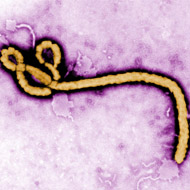
Image (C) CDC Global


 Defra has published guidance for the vet sector ahead of a proposed UK-EU Sanitary and Phytosanitary agreement.



