


House dust can predict presence of pets
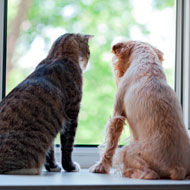
From the dust samples collected, the researchers were able to confidently predict which homes had pets such as cats and dogs.
Dust in the home can predict where your house is located, the gender of the occupants and the presence of pets, according to a study by the University of Colorado Boulder.
The findings, published in Proceedings of the Royal Society B, show the incredible amount of microbial diversity in the average household, and the extent to which the organisms can tell a story about where they live.
Study co-author Noah Fierer said: "Every day, we’re surrounded by a vast array of organisms in our homes, most of which we can’t see. We live in a microbial zoo, and this study was an attempt to catalog that diversity.”
In the study, researchers examined over 1,200 homes across the United States. They found that, on average, each home contains over 5,000 different species of bacteria and some 2,000 species of fungi.
The researchers claim that fungal communities tend to be more predictive of a home’s location, while bacterial communities provide clues about the identity of its residents.
“Geography is the best predictor of fungi in your home," said Dr Fiere. "The reason is that most fungi blow in from outdoors via soil and leaves.”
From the dust samples collected, the researchers were able to confidently predict which homes had pets such as cats and dogs and, to a lesser extent, the gender of the residents.
Speaking to the BBC, Dr Fiere said: "Bringing a dog or cat into your home really has a significant effect on the bacteria you find in your home.
"It was surprising to us that it was such a strong influence - stronger than any other factor, stronger than where your home was located or the design of your home, for example."
The researchers say that homes with only male occupants, for example, have a different bacterial makeup than those with both male and female occupants.
Albert Barbarán, lead author of the study, commented: “One of the key takeaways is that if you want to change what you breathe inside your house, you would either have to move very far away or change the people and the pets you live with.”
The findings could have future implications for forensic investigations and allergen research.


 Defra has published guidance for the vet sector ahead of a proposed UK-EU Sanitary and Phytosanitary agreement.



