


Welsh government launch new Snares Code
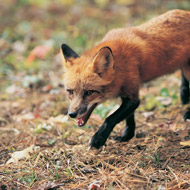
The Code seeks to deliver increased efficiency in terms of fox control.
A Code of Best Practice on the Use of Snares in Fox Control has been published by the Welsh government to help reduce animal welfare issues.
The code is aimed at those who use snares in the Welsh countryside and seeks to deliver higher animal welfare standards, increased efficiency in terms of fox control, and ensure that fewer non-target species are caught.
In 2012, a report published by the Food and Environment Research Agency revealed the extent and humaneness of snares on animals in England and Wales.
The report highlighted that although snares were mainly used when other control method were not available, many were leading to animal welfare risks and the capture of non-target animals.
Following the report findings, the Welsh Government has been working with stakeholders to find ways to improve animal welfare standards by improving the practice in Wales.
In a statement, deputy farming minister Rebecca Evans welcomed the code and thanked all those involved.
She added: "It is vital that we improve awareness of the issues around snaring and we will continue to work closely with our partners to make sure the messages from the Code are widely disseminated and publicised across Wales.
"I hope this action will help improve snare operator practice by providing clear and practicable advice and how to comply with the law. This will in turn ensure improved standards in animal welfare and reduce the impact on non-target species."


 Eligible members of BEVA will be able to vote for their Council team until Monday, 17 August 2026. Members will have received an election email on 17 July.



