


Parasite researchers win Nobel Prize
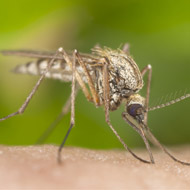
"This year’s Nobel Laureates have developed therapies that have revolutionised the treatment of some of the most devastating parasitic diseases” - Nobel assembly.
The 2015 Nobel Prize in physiology or medicine has been awarded to three researchers for their contributions in developing novel therapies against malaria and roundworm parasite infection.
According to the Guardian, William Campbell and Satoshi Omura were awarded for their work on a therapy against roundworm, shared jointly with Tu Youyou, for a therapy against malaria.
In a statement published by Healio, the Nobel assembly said: "Diseases caused by parasites have plagued humankind for millennia and constitute a major global health problem. In particular, parasitic diseases affect the world’s poorest populations and represent a huge barrier to improving human health and well-being.
"This year’s Nobel Laureates have developed therapies that have revolutionised the treatment of some of the most devastating parasitic diseases.”
Tu discovered the life saving malaria ingredient by extracting the active ingredient of a traditional herbal medicine.
The component, later called artemisinin, targets the parasites during an early stage of their development. It is highly effective in both animals and humans, and is estimated to reduce the number of deaths caused by malaria by over 20 per cent.
Satoshi Omura's research explored the isolation and culture of several new strains of Streptomyces, which are known to have antibacterial qualities.
These were later acquired by William Campbell, who discovered that one of the cultures was effective against parasite infection in animals.
This led to the discovery of avermectin and its derivative, Mectizan, which has contributed to the global fight against parasitic diseases such as river blindness and onchocerciasis.
Christopher Plowe, president of the American Society of Tropical Medicine and Hygiene, said: “This year’s Prize recognises scientists who isolated compounds from bacteria and plants and developed them into drugs that have saved countless lives from malaria and prevented millions of cases of blindness and disfiguring swelling from parasitic worms worldwide.
“These three scientists have had a massive positive impact on global health. This was a great choice by the Nobel Committee.”


 Defra has published guidance for the vet sector ahead of a proposed UK-EU Sanitary and Phytosanitary agreement.



