


First cases of seasonal poisoning confirmed
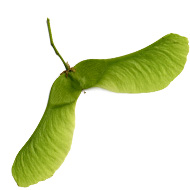
SPM is caused by the toxin hypoglycin A, which is contained in sycamore seeds.
UK vets are seeing this year's first confirmed cases of seasonal pasture myopathy (SPM) - a fatal muscle disease of horses, caused by consumption of sycamore seeds.
As the autumn winds carry the seeds down into pastures, BVA and BEVA are urging horse owners to take the necessary precautions.
BVA president Sean Wensley said: "SPM is a disease that is extremely distressing for both the animal and the owner of the horse affected.
"BVA is working closely with our colleagues in BEVA, who deal with the aftermath of sycamore poisoning in horses all too often throughout the autumn, to ensure we get timely advice to owners to prevent their animals suffering in this way."
Until recently the origin of SPM was unknown. Research in 2013-14 found the source to be the toxin hypoglycin A, which is contained in sycamore tree seeds.
High winds during autumn last year caused significant contamination of pastures with sycamore seeds. In fact, data from the National Equine Health Survey shows owners reported a four-fold increase in SPM cases in 2014.
BEVA's president Mark Bowen said: "In the last two years our understanding of this awful condition in horses has increased considerably.
"We now know that sycamore seeds contains the highly toxic agents that cause SPM and this means there are practical things that we can advise owners to do that minimise the risk to their animals."
Generally horses that develop SPM are kept in sparse pastures with a build up of dead leaves, dead wood and trees, without any supplementary hay or feed.
The seeds are not thought to be palatable but horses may ingest considerable numbers if they are left to graze on poor quality pasture.
For tips on preventing SPM, visit: http://www.bva.co.uk/News-campaigns-and-policy/Newsroom/News-releases/Vets-warn-horse-owners-fatal-sycamore-poisoning/


 Eligible members of BEVA will be able to vote for their Council team until Monday, 17 August 2026. Members will have received an election email on 17 July.



