


Farmers warned about low protein silages
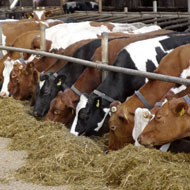
Over a quarter of silage analysed by SAC Consulting this year was found to have insufficient protein.
Vets are urging beef and sheep farmers to get their silage analysed before feeding it to livestock following an analysis by SAC Consulting which found 'disturbingly low' levels of protein in silage samples.
It is feared that such low levels of protein could cause stock to slowly starve, even though they may look full.
Senior beef specialist Basil Lowman says: “So far press articles on this year’s silage quality have reported good results with both energy and protein levels being higher compared to last year. However these reports, while based on large numbers of samples, have mainly been collected from English dairy herds.
"In comparison our figures, for solely beef and sheep units show a different, worrying story. Energy levels in the silage are average to good but protein levels are disturbingly low. We are strongly advising farmers and crofters to get their silage analysed so they can supplement the feed if necessary.”
Over a quarter of silage analysed by SAC Consulting this year was found to have insufficient protein even for a dry beef cow and nearly half had a protein content below 10 per cent.
Despite not receiving enough protein from the silage they were fed, the animals appeared healthy and full, meaning that the condition is sometimes not found until later on.
Low protein silage causes the animal's rumen to become completely blocked with partly digestible food and the animal effectively starves to death. A simple indicator of this is the consistency of the animal's dung. On a protein deficient diet, the dung will be firm, dry and look like solid, mini hay bales.
Basil explains: “The problem really is with the bugs you find in the animals’ rumen. It is these microscopic creatures which help breakdown the food, and they need sufficient protein to do so. Without it they will be less effective in breaking down the silage so it stays in the rumen for longer, this results in more partially digested feed blocking the rumen and stops them from taking in any more feed.”
SAC Consulting say that the only way to determine low protein intake is to take blood samples, hence the importance of getting silage analysed before it is fed to livestock.
In a normal year silage has a protein content of 12-14 per cent. If protein levels are low, farmers are urged seek professional advice over the best supplements and the levels required for different classes of stock.


 Eligible members of BEVA will be able to vote for their Council team until Monday, 17 August 2026. Members will have received an election email on 17 July.



