


Ebola failings “must be urgently addressed,” MPs warn
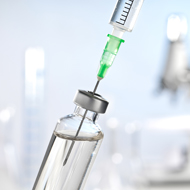
Neither the UK, nor the International Committee were ready to conduct research on new vaccines.
The Ebola epidemic in West Africa “exposed weaknesses in the UK’s response to disease emergencies,” a report by MPs has found.
An enquiry led by the Science and Technology Committee identified “systemic delays” at every stage of the Government’s response to Ebola: from escalating Public Health England’s disease surveillance data, to calling together a Scientific Advisory Group for Emergencies (SAGE).
The report also found that neither the UK, nor the International Committee were ready to conduct research on new vaccines and drugs when the outbreak occurred. The Committee warn that the lack of capacity to manufacture vaccines places the UK in a vulnerable position when the next epidemic strikes.
Commenting on the report Nicola Blackwood MP, chair of the science & technology committee, said: "Scientists, health workers and agencies did a heroic job working around the clock to confront the Ebola outbreak, sometimes at risk to their own lives. But the UK response to Ebola—like the international one—was undermined by systematic delay.
“The Government’s emergency response procedures were triggered far too late in the day, Ebola test kits were developed and trialled, but not deployed, and the initial response was ad hoc and uncoordinated.
“A combination of hard work and chance prevented Ebola spreading further than it did, but a future epidemic may be less containable and spread within the UK as well as overseas. We must take the opportunity now to ensure that the UK is not caught unprepared when the next disease emergency strikes. Lives can be lost for every day of delay."
The report calls on ministers to embed research into future emergency responses and negotiate with vaccine manufacturers to ensure capabilities can be called on quickly in an emergency.
It also calls for the publication of an infectious disease strategy, identifying the priority threats that the UK should address, how much funding will be directed to each threat, and how action will be delivered.
Nicola added: "Universities, regulatory bodies and pharmaceutical companies launched clinical trials for Ebola vaccines and treatments in record time. These efforts are to be commended, but it is also clear that the capacity to conduct research during an outbreak was not embedded in the UK’s emergency response.
“We heard how this lack of research-readiness resulted in severe problems, from failing to prioritise basic clinical studies on optimal treatments for Ebola patients, to delays in obtaining and sharing vital clinical data. These failings must be urgently addressed."
A new suspected case of Ebola was identified in Sierra Leone earlier this month, just hours after Liberia was declared free of the disease. To date the epidemic has claimed the lives of over 11,000 people and infected more than 28,600.


 Defra has published guidance for the vet sector ahead of a proposed UK-EU Sanitary and Phytosanitary agreement.



