


WHO convene Emergency Committee on Zika
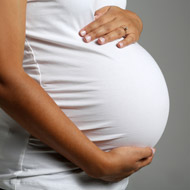
Zika has been linked to neurological disorders and birth defects in Latin America.
The World Health Organisation are calling together an ‘Emergency Committee’ on the Zika virus, which has been linked to neurological disorders and birth defects in Latin America.
The committee will meet on Monday 1 February in Geneva to ascertain whether the outbreak constitutes a Public Health Emergency of International Concern.
At a briefing in Geneva, WHO director general Margaret Chan said that the level of alarm was “extremely high” and that the arrival of the virus in some cases has been “associated with a steep increase in the birth of babies with abnormally small heads.”
She outlined four main reasons for the alarm: “First, the possible association of infection with birth malformations and neurological syndromes. Second, the potential for further international spread given the wide geographical distribution of the mosquito vector. Third, the lack of population immunity in newly affected areas. Fourth, the absence of vaccines, specific treatment, and the absence of rapid diagnostic tests.”
She added that this years’ El Nino weather pattern is expected to greatly increase mosquito populations in many areas.
“For all these reasons, I have decided to convene an Emergency Committee under the International Health Regulation,” she said.
Zika has spread to 21 countries in the Americas (as of 23 January, 2016) since it was first reported last year.
The virus is primarily transmitted by Aedes mosquitoes, which are present in all of the Americas except Canada and continental Chile, meaning the virus is likely to spread further.
Decision concerning the Committees membership and advice will be made public on WHO’s website.


 Defra has published guidance for the vet sector ahead of a proposed UK-EU Sanitary and Phytosanitary agreement.



