


Zika virus confirmed in Ireland
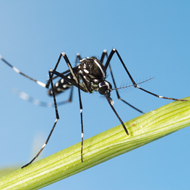
Growing evidence suggests the virus, which usually causes only mild symptoms in adults, could be linked to microcephaly.
Ireland's first two cases of the mosquito-borne Zika virus have been confirmed. The news comes just after the World Health Organisation (WHO) declared a public health emergency.
Growing evidence suggests the virus, which usually causes only mild symptoms in adults, could be linked to microcephaly (abnormally small head size) in newborn babies. Since it was first reported in Brazil in May last year, it has spread to more than 20 countries in the Americas.
The two unrelated cases in Ireland were confirmed on 2 February. Both individuals were adults who had a history of travel to a Zika-affected country. Neither case is at risk of pregnancy and both are now fully recovered.
Also this week, a case of the virus being transmitted through sexual contact was confirmed in the US by the Centers for Disease Control and Prevention.
WHO convened an emergency committee on Zika under the International Health Regulations on Monday (1 February). Experts agreed that the situation constitutes a public health emergency of international concern and this has since been formally declared by WHO's director-general.
There is a strong suspicion that a causal link exists between Zika during pregnancy and microcephaly, but the committee said urgent work is needed to improve understanding of this relationship.
Of particular concern was the lack of vaccines and rapid, reliable tests, as well as the absence of immunity to Zika virus in areas where it has not occurred before.
A coordinated, international response is needed to accelerate the development of diagnosis tests, to strengthen mosquito control and to improve surveillance and the detection of both infections and complications.


 Defra has published guidance for the vet sector ahead of a proposed UK-EU Sanitary and Phytosanitary agreement.



