


Committee concludes medical benefits far outweigh potential harm
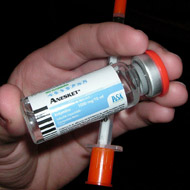
Ketamine should not be placed under international control because it does not pose a threat to public health, the World Health Organisation has announced.
It is the fourth time since 2006 that the organisation has made the recommendation and follows a review of the latest evidence by the WHO Expert Committee on Drug Dependence.
The committee concluded that ketamine abuse does not pose a global public health threat, while controlling it could limit access to the only anaesthetic and pain killer available in large areas of the developing world.
“The medical benefits of ketamine far outweigh potential harm from recreational use,” said Marie-Paule Kieny, assistant-director general for health systems and innovation at WHO.
“Controlling ketamine internationally could limit access to essential and emergency surgery, which would constitute a public health crisis in countries where no affordable alternatives exist.”
Used in surgical and diagnostic procedures, ketamine is often the only anaesthetic agent available in most developing countries and is also used for pain management.
Ketamine has a great safety record, but recently it has also been used recreationally, prompting moves to control the substance under international law.
On each of these occasions - in 2006, 2012, 2014 and this year – the WHO Committee has recommended against scheduling. This and other recommendations of the Expert Committee will be conveyed to the Commission on Narcotic Drugs for its final decisions in March 2016.
“We have found that placing substances under international control can often limit access to them for medical purposes,” said Kees De Joncheere, WHO director for essential medicines and health products.
“Morphine is a case in point: even though it is inexpensive and one of the best substances available for pain management, in most countries availability and use are limited due to excessive regulation.”
Image (C) Psychonaught


 Defra has published guidance for the vet sector ahead of a proposed UK-EU Sanitary and Phytosanitary agreement.



