


Farmers face extended liver fluke challenge
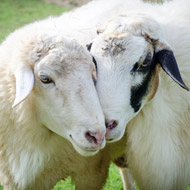
The liver fluke surveillance farms were established by Elanco in 2015 in response issues identified by the FALF.
The mild, wet weather of recent months has led to ‘an extended liver fluke challenge’, according to experts from the Farming Against Liver Fluke Action Group (FALF).
Five liver fluke surveillance farms report that the mild conditions have allowed mud snails to remain active well into and through winter.
Sheep vet Matt Colston from Elanco Animal Health said: “As long as the snails are active, more cercaria are released, increasing the metacerarial numbers on pasture, so increasing the risk of disease in grazing animals.
“This varies from farm to farm, and also depends on there being suitable habitats for the mud snail which is the intermediate host for the liver fluke. Understanding this link between weather and the fluke challenge - and the need to act accordingly - is vital.
“For our five farms, where there is a fluke challenge, the level of challenge has been maintained or is increasing, with the risk of acute or sub-acute disease still present.
“In these circumstances treatment with an active effective against early immature fluke is advisable. This would normally be triclabendazole, or closantel where triclabendazole resistance has been established.”
The liver fluke surveillance farms were established by Elanco in 2015 in response issues identified by the FALF.
The farms have been working together with industry experts and their vets to test, monitor and help manage a sustainable approach to liver fluke control.


 Eligible members of BEVA will be able to vote for their Council team until Monday, 17 August 2026. Members will have received an election email on 17 July.



