


Progress being made in campylobacter campaign
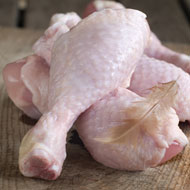
Campylobacter was found on 59 per cent of samples, compared to 74 per cent in the same time period in 2014.
The number of fresh, shop-bought chickens testing positive for campylobacter has fallen, according to the latest figures from the Food Standards Agency (FSA).
Testing carried out from October to December 2015 found 11 per cent of chicken samples had the highest level of contamination, compared to 19 per cent the previous year. Birds in this category carry more than 1,000 colony forming units per gram.
Campylobacter was found on 59 per cent of samples, compared to 74 per cent in the same time period in 2014.
FSA began testing chickens for campylobacter and releasing the results in February 2014 as part of a campaign to unite the entire chicken supply chain in tackling the problem. Campylobacter is the most common form of food poisoning in the UK and is estimated to cause illness in 280,000 people a year.
During the second quarter of testing, the agency tested 966 samples of whole chilled, UK produced chickens. They were bought from large UK retail outlets and smaller independent stores and butchers.
A number of steps are being taken to address campylobacter on chicken, including improved biosecurity, trimming of neck skins (the most highly contaminated skin area) and SonoSteam - a process that uses steam and ultrasound to reduce the risk of food borne disease. It is thought these measures could be responsible for the fall in contamination levels.
Commenting on the results, FSA's director of policy Steve Wearne, said: "These results are heading in the right direction and we must continue to build on this progress. Retailers and processors must ensure the interventions that are working are embedded in industry practice.
"We have also arrived at a point where consumers expect access to data about campylobacter, so the FSA must ensure its survey remains robust and work with industry to ensure as much sampling data as possible are available to the public."
Reducing the number of birds with the highest level of contamination is the focus of the campaign, as research has shown that this will have the most positive outcome for human health. The current target agreed by industry is that no more than 7 per cent of chickens at retail will carry this high level of contamination.


 Eligible members of BEVA will be able to vote for their Council team until Monday, 17 August 2026. Members will have received an election email on 17 July.



