


BSAVA publish Babesiosis guidelines
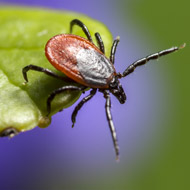
Babesiosis is a tick-borne disease which causes anaemia by infecting red blood cells.
Key information for the veterinary profession about the prevention, diagnosis and treatment of Babesiosis has been published by the BSAVA.
The information can be found on the BSAVA website and has been developed in response to a number of enquiries from BSAVA members.
Babesiosis is a tick-borne disease which causes anaemia by infecting red blood cells.
In February, vets from Forest Veterinary Centre in Harlow reported that they had diagnosed three dogs with the disease. The dogs were from separate households and contracted babesiosis without ever travelling abroad. Yet a common link between all three is that they are exercised in an uncultivated park area in the town.
As a result of the report, UK vets are now urged to be alert to the disease, even in pets that have had no history of travel.
In the guidance, the BSAVA say that avoidance of known tick areas, particularly during “tick season”, use of an effective anti-tick product, and daily checking for/effective removal of ticks may help to reduce transmission.
Imidocarb dipropionate is considered to be the most effective drug for potential clearance of Babesiosis, but is often not effective in clearing smaller Babesia species. Clinical improvement is normally seen within 24–48 hours of starting treatment.
Dog owners, as well as members of the veterinary profession, can send any ticks they might find to Public Health England’s Tick Recording Scheme or the Big Tick Project for identification.


 Defra has published guidance for the vet sector ahead of a proposed UK-EU Sanitary and Phytosanitary agreement.



