


Study reveals 'superhero DNA'
The findings could be a starting point from which to investigate other changes or anomalies in developing therapies.
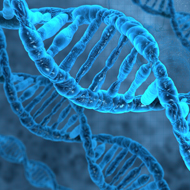
An international team of researchers have studied a database of nearly 600,000 people revealing that 13 were born with ‘superhero DNA’.
Published in Nature Biotechnology, the approach reveals that 13 healthy people should have developed one of eight severe genetic diseases. The next step is to unravel why.
In a pioneering approach to genetic studies, the focus was directed at the DNA of those who remain healthy, rather than those who became ill. The findings could be a starting point from which to investigate other changes or anomalies in developing therapies.
In an interview with the BBC, Dr Eric Schadt from the Icahn School of Medicine at Mount Sinai Hospital in New York, said: “Most genomic studies focus on finding the cause of a disease, but we see tremendous opportunity in figuring out what keeps people healthy.”
However, progress with the findings has been limited by consent rules signed by the database of DNA sample providers. Despite discovering 13 ‘genetic superheroes’, the scientists are unable to trace them. Pulling into question the ethics behind genetic data sharing, the study is an example of what can be achieved through anonymous genetic and clinical data.
Talking to the BBC, Dr Matthew Hurles, from the Wellcome Trust Sanger Institute, said: “The full benefits of such altruistic data sharing is only fully realised when it becomes possible to go back to the resilient individual to try and understand how their resilience is achieved.”


 Defra has published guidance for the vet sector ahead of a proposed UK-EU Sanitary and Phytosanitary agreement.



