


Maleness gene discovered in malaria mosquito
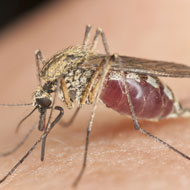
The researchers found that when Yob was injected into early embryos, females were killed before they hatched from eggs.
A gene that determines maleness in mosquitos could enable the genetic control of malaria, according to research led by The Pirbright Institute.
The research, published in the journal Science, describes how a gene, named Yob, could kill female mosquitos before they hatch from their eggs.
“Our research may have far-reaching implications for the control of malaria,” commented lead researcher, Dr Jaroslaw Krzywinski.
In the study, the team identified and characterised Yob, which determines maleness in the African malaria mosquito, Anopheles gambiae.
The researchers found that when Yob was injected into early embryos, females were killed before they hatched from eggs, but male development was left unaffected. Conversely, when Yob was silenced in early embryos, the males were killed.
Current control methods require releases of male mosquitoes only, which creates a huge obstacle for malaria spreading mosquitoes as there has been previously no way to distinguish between the sexes.
“Now, the female-killing property of Yob gives us an invaluable tool for the engineering of male-only Anopheles strains suitable for malaria control in the future,” said Dr Krzywinski.


 Eligible members of BEVA will be able to vote for their Council team until Monday, 17 August 2026. Members will have received an election email on 17 July.



