


Neonicotinoids linked to large-scale bee declines
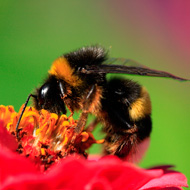
Average bee declines were three times greater in species that regularly feed on oilseed rape, such as buff-tailed bumblebees.
The results of an 18-year study suggest there is a link between large-scale wild bee declines and exposure to oilseed rape crops that have been treated with neonicotinoids.
Researchers from the Centre for Ecology and Hydrology looked at changes in the occurrence of 62 wild bee species, alongside oilseed rape cropping patterns in England. Their research spanned 1994-2011 - the time period which saw the introduction of wide-scale commercial use of neonicotinoids.
The findings have been published in Nature Communications.
According to the team, average bee declines were three times greater in species that regularly feed on oilseed rape, such as buff-tailed bumblebees, compared to those that forage for a variety of flowers.
In five of the species studied, including the spined mason bee and furrow bee, the use of neonicotinoids was found to equate to 20 per cent of local population extinctions.
The research adds considerable weight to a number of previous small-scale studies that focused on the effects of short-term exposure to neonicotinoids. The group of insecticides has previously been found to have a detrimental effect on honeybees and some commercially bred wild bee species.
Neonicotinoids can be applied to seeds before planting and are expressed systematically throughout the growing plant, meaning they can be ingested when pollinators feed on the pollen or nectar.
Commenting on the research, lead author Dr Ben Woodcock said: "As a flowering crop, oilseed rape is beneficial for pollinating insects. This benefit, however, appears to be more than nullified by the effect of neonicotinoid seed treatment on a range of wild bee species."
The team's findings will help to inform the review of neonicotinoids and the risk they pose to bees, which is being conducted by the European Food Standards Authority.
However, National Farmers Union bee health specialist Dr Chris Hartfield said there are still "major gaps" in our knowledge when it comes to neonicotinoids, and insecticides remain "an essential part of the toolbox" for farmers. Without such products, he warned that "our ability to produce wholesome, affordable food for the nation, will continue to stagnate."


 Eligible members of BEVA will be able to vote for their Council team until Monday, 17 August 2026. Members will have received an election email on 17 July.



