


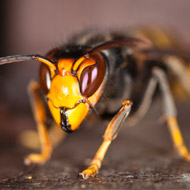
Huge threat to honeybee populations
An invasive hornet that can destroy honeybee colonies has been spotted in the UK for the first time.
On Tuesday (20 September) The National Bee Unit confirmed a sighting in the Tetbury area of Gloucestershire. The insect poses no greater risk to human health than a bee, but it can cause significant losses to honeybees, and potentially other native species.
In a statement, Defra announced that work to identify, destroy and remove any nests is already underway. This includes a three-mile surveillance zone around Tetbury and opening a local control centre to coordinate the response.
Defra is also deploying bee inspectors across the area who will use infrared cameras and traps to locate any nests. They will be supported by nest disposal experts who will destroy the hornets with an approved pesticide.
"We have been anticipating the arrival of the Asian hornet for some years and have a well-established protocol in place to eradicate them and control any potential spread," commented Nicola Spence, Defra deputy director for plant and bee health.
"It is important to remember they pose no greater risk to human health than a bee, though we recognise the damage they can cause to honey bee colonies. That’s why we are taking swift and robust action to identify and destroy any nests."
The Asian hornet arrived in France in 2004 and has spread rapidly throughout Europe. According to the non-native species website, it is most likely to be found in Southern England or in goods among which it could be accidently imported.
Most active between April and November, experts believe the species will not survive in the north of the UK due to colder winters.
The hornet found in Tetbury is currently undergoing DNA testing at the National Bee Unit in North Yorkshire to help establish how it arrived in the UK.
Image (C) Daniel Solabarrieta


 Eligible members of BEVA will be able to vote for their Council team until Monday, 17 August 2026. Members will have received an election email on 17 July.



