


“Risk-adverse” policies restrict progress of GM technology
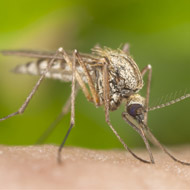
Trial releases of GM insects for disease control are already happening in places such as the Caribbean, Malaysia and Brazil.
Scientists from The Pirbright Institute have published a discussion paper addressing the restrictive components affecting the progress of GM technology in tackling global disease.
Dr Anusha Panjwani and Dr Anthony Wilson argue in their opinion piece, published in PLOS Pathogens, that more transparency is required in international regulation to increase trust in the companies developing new technologies.
Amidst growing fears about insect-borne disease outbreaks and the environmental impact of current pest control, regional inconsistencies regarding the assessment of both risk and benefit are impacting the potential for solutions to come from GM technology.
The authors cite inconsistencies between countries as responsible for uncertainty and public concern about developing GM solutions.
Dr Wilson said: “Trial releases of GM insects for disease control are already happening in places such as the Caribbean, Malaysia and Brazil, but in other parts of the world, such as Europe, significant regulatory obstacles still exist well over ten years after the technology first appeared.
The paper addresses the current concern over public opinion. For example, GM crops facing high profile protests in the UK and Germany are readily supported in other countries such as the US and Brazil.The paper attributed public resistance to big companies monopolising the industry.
“Engagement with the public on this issue is not just about dealing with a knowledge deficit, it is about building trust both in the safety of the technology in the longer term and in the system for assessing and developing it”, said Dr Panjwani.
In an attempt to address the current hindering attitude discrepancies surrounding GM technologies, the scientists propose solidifying greater transparency and broader involvement in the industry with a patent or embargo system to protect intellectual property.
Pajwani and Wilson propose building trust in the safety of GM technology by standardizing the system for assessing and developing it.
Dr Wilson added, “The current regulatory system is hampering our ability to fight diseases which kill millions of people every year. Policy makers should therefore consider not only the risks - but the risks of the status quo as well.”


 Defra has published guidance for the vet sector ahead of a proposed UK-EU Sanitary and Phytosanitary agreement.



