


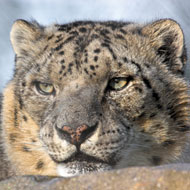
Report unveils a minimum of four per week poached
A new report by TRAFFIC has found that the estimated 4,000 remaining snow leopards are under constant threat of illegal poaching across Asia’s high mountains.
‘An Ounce of Prevention: Snow Leopard Crime’ estimates annual figures of between 221-450 killings since 2008. However, actual figures accounting for undetected remote killings are suspected to be higher.
As a part of the Global Snow Leopard Ecosystem Protection Program (GSLEP), the 12 snow leopard range countries address the ongoing threat faced by the species. According to the report, over 90 per cent of reported poaching occurred in China, Mongolia, Pakistan, India and Tajikistan.
Despite the report citing a steep decline in trade of snow leopard skins, the numbers are still concerning. With only 21 per cent of poaching specifically for pelt and products, a further half of all retaliatory killings culminated in opportunistic sales and trade.
Work is underway to attempt to drastically reduce human-wildlife conflict.
Currently, predator proof corrals and compensation schemes are beginning to make a difference. However, reaching the higher and more remote mountains is more challenging.
The report recommends the ongoing maintenance of TRAFFIC’s snow leopard crime database for continued research. Lead author, Kristin Nowell said: “We need to expand efforts to monitor activity on the internet and social media as snow leopard traffickers may be moving online to try and evade law enforcement.”
The crime database was started in 1989 and will continue to serve as a resource in the efforts to protect the endangered species.


 Eligible members of BEVA will be able to vote for their Council team until Monday, 17 August 2026. Members will have received an election email on 17 July.



