


WSAVA develops new guidelines
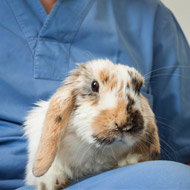
“Animal welfare science is a new and rapidly developing discipline..."
New guidelines are being developed to assist veterinary teams in optimal clinical care for companion animals.
The World Small Animal Veterinary Association’s (WSAVA’s) Animal Wellness and Welfare Committee (AWWC) has been working to generate standards that offer evidence-based advice to protect the health and welfare of pets, their owners and veterinary surgeons. The WSAVA already has clear global guidelines on areas including vaccination, nutrition and pain management.
Co-chair of the AWWC, Dr Shane Ryan, said: “Animal welfare involves more than ensuring the animal’s physical health. Veterinarians act as the pet’s advocate – as the animal’s voice in the consultation room - and we have the responsibility and the opportunity to help owners care for their pets in a way that optimises their welfare and quality of life.
“Animal welfare science is a new and rapidly developing discipline and, as a result, many veterinarians may not be completely up-to-date with contemporary animal welfare concepts. Current and scientifically-supported information is necessary to enable them [to] maintain the highest welfare standards and to be able to answer questions confidently, both from their clients and the public.
“Given the importance of the human-animal bond, our Global Guidelines will provide comprehensive and pragmatic advice on all aspects of welfare in the clinical setting, both from a veterinary and an owner perspective. We hope the Global Guidelines will enable veterinarians, wherever they are practicing, to demonstrate leadership in animal welfare to an increasingly knowledgeable pet-owning public, which expects the highest standards of care for its animals.”
He added: “The AWWC aims to make welfare issues an everyday consideration for small animal practitioners around the world. We are grateful to our sponsor WALTHAM® and to the WSAVA’s Friends of Animal Welfare donors for their generous support in enabling us to develop our WSAVA Global Guidelines. We intend to launch them at the WSAVA World Congress in Singapore in 2018.
“They will add to the other resources we offer, including our recently launched online welfare training modules, which are available for free download at http://tinyurl.com/hfs6s3s.”
The WSAVA is an umbrella organisation focused on enhancing the clinical care of companion animals around the world.


 Defra has published guidance for the vet sector ahead of a proposed UK-EU Sanitary and Phytosanitary agreement.



