


City is helping to conserve the globally threatened species
New research has revealed the important role cities play in the conservation of threatened species.
The study, published in Frontiers in Ecology and the Environment, identified 49 globally threatened species which have been introduced to urban centres outside their natural habitats.
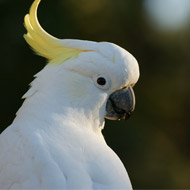
The research highlights the yellow-crested cockatoo, which is critically endangered due to capture for the pet trade. Some of the people keeping the birds in Hong Kong deliberately or accidentally set them free into the city.
An estimated 10 per cent of the world’s population of yellow-crested cockatoos can be found on Hong Kong Island, mostly between Pokfulam and Happy Valley.
“This is a key example of how Hong Kong – a heavily urbanised city-state – can play a role in the conservation of globally threatened species,” said co-author Ding Li Yong, from the Australian National University.
The scientists say that reintroducing the yellow-crested cockatoo to its native ranges in Indonesia and East Timor could help to safeguard populations there, which are in fast decline due to poaching.
Alternatively, harvesting the introduced cockatoos in Hong Kong could offset demand from its native range.
The experts believe both approaches could remove threats the introduced population might pose to native species, like triggering population declines of local birds and monopolising nesting sites.
Together, topping up declining populations in their native ranges and removing the threats to native ecosystems could “save two birds with one stone,” said study leader Dr. Luke Gibson from the University of Hong Kong.
“This creative tactic could be essential to save species imperilled by wildlife trade as well as eliminate threats the same species pose in their adopted territories,” he said.


 Eligible members of BEVA will be able to vote for their Council team until Monday, 17 August 2026. Members will have received an election email on 17 July.



