


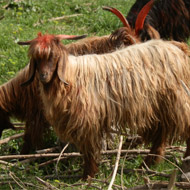
Study explores role of early animal domestication
The origins of zoonoses was a result of farming and can be traced back to the Neolithic period, according to new research.
The study, published in the Royal Society Open Science Journal, explored the role of early animal domestication in the origins of brucellosis.
It found that from the earliest days of animal farming, conditions were created for goats to become reservoirs of Brucella Melitensis, promoting the exposure of humans to a new pathogen.
Researchers say the finding supports the idea that the transition from food collection to production during the neolithic transition, while allowing for larger human population sizes, resulted in significant adverse effects on human health and wellbeing.
It also shows the importance of recognising the complexity of eco-systems, where it is often hard to obtain a holistic impression of the different types of impacts that a particular change in the system has, they add.
The study was conducted by the RVC, together with the City University of Hong Kong, and the University of Reading.
Dr Guillaume Fournié of the RVC commented: “It is generally accepted that the creation of large and dense animal populations has facilitated the emergence of infectious diseases in humans. However, the impact of changes in the demographic profiles of livestock populations on disease epidemiology requires further attention, as it may be a key factor in promoting disease transmission.”
Dr Robin Bendrey of the University of Reading added: “Such work can be used to target genetic research to those areas which are most likely to produce direct evidence for the presence of the pathogen in archaeological remains.”
Image (C) RVC.


 Defra has published guidance for the vet sector ahead of a proposed UK-EU Sanitary and Phytosanitary agreement.



