


Born Free calls for a review of zoo regulations
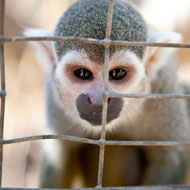
The plan calls on the government to end the import, sales and keeping of wild-caught mammals as pets.
A 15-point plan to protect and ensure the future of captive wild animals in the UK will be launched at a special event in Westminster this evening (22 March).
Compiled by the Born Free Foundation, the plan calls on the government to:
• Establish a full-time and centralised zoo inspectorate to ensure consistency in licensing and inspection of zoos
• Act swiftly on a ban on the use of wild animals in travelling circuses across the UK
• Introduce a ban on the trade in, and private keeping of, all species of non-human primate
• End the import, sale and keeping of wild-caught mammals, reptiles and amphibians as pets.
The plan will be unveiled at Beyond the Bars: The Welfare of Captive Wild Animals in the UK - a high-profile event involving animal welfare experts, veterinary surgeons, MPs and wildlife NGOs.
“The Prime Minister recently claimed that the UK was number two in the world when it came to animal welfare. However, the lack of attention and effort that has been paid to the keeping of wild animals in captivity seriously undermines that claim,” commented Will Travers OBE, Born Free president.
“Without resolute action, not only will our reputation suffer, but more importantly, wild animals in our care will suffer unnecessarily.
The event comes after South Lakes Zoo in Cumbria was refused a new zoo operating licence. A damning report by zoo inspectors revealed that 486 animals had died at the zoo in four years. It also exposed a catalogue of animal welfare concerns.
Born Free claims that many UK zoos do not provide their animals with the best possible living conditions or standards of care, and sometimes put the visiting public at risk.
“While the UK has been proud of its attitude to animal welfare, and historically introduced some significant legislation to protect animals, we may now have rested on our laurels for too long, particularly in the case of wild animals in captivity,” explained Chris Draper, Born Free’s associate director for animal welfare & care.
“Our understanding of the needs of wild animals has improved significantly in recent years, and we now need to face the unfortunate possibility that our current laws, regulations and standards may no longer adequately safeguard the welfare of wild animals in captivity.”


 Eligible members of BEVA will be able to vote for their Council team until Monday, 17 August 2026. Members will have received an election email on 17 July.



