


Current legislation will not allow Lynx release, NSA warns
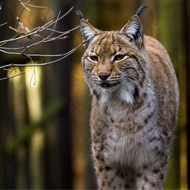
Under current law, farmers are allowed to shoot lynx that are causing their animals distress.
Current legislation will not allow for the proposed reintroduction of the lynx to the UK, the National Sheep Association (NSA) has warned.
In a statement, the NSA said that it understands Eurasian lynx are classed as dangerous animals under the Dangerous Wild Animals Act 1976 and it would therefore be an offence to keep them without a local authority licence.
The organisation said that, at present, these licences are only available for zoo and captive animals - not for those being released into the wild.
“It is still not clear when the Lynx UK Trust will make an application for a release licence for lynx, but it has become clear there would need to be a change in current legislation to keep such a release legal,” commented Phil Stocker, NSA chief executive.
“In my opinion, this is very unlikely to happen in the near future given the raft of priority legislative work needing to be done after the Great Repeal Bill.”
The NSA also points out that, under current law, farmers are allowed to shoot lynx that are causing their animals distress. They understand that Lynx UK trust is working to get this law changed, meaning that the only option for farmers would be to seek compensation from the trust.
The organisation states that it is opposed to this as it is unlikely that compensation funding could be guaranteed ‘in perpetuity’.
Mr Stocker added “We are confident current legislation will not facilitate a release and any appetite for a regulatory change at a time when there will be so many other priorities is unjustifiable.


 Eligible members of BEVA will be able to vote for their Council team until Monday, 17 August 2026. Members will have received an election email on 17 July.



