


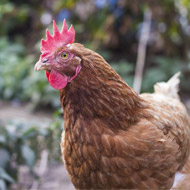
The UK is now classed as free from avian influenza H5N8, chief vet Nigel Gibbens has declared. However, poultry keepers are urged to be vigilant for signs of the disease, which remains a real and constant threat.
Now that the UK is ‘free from AI’, trade discussions on poultry and poultry products can restart with current and potential trading partners.
H5N8 is continuing to circulate in Europe and as winter approaches the risk posed by infected migratory wild birds will rise. The UK was declared avian flu free in April last year, but it returned in December.
Defra said the government is not complacent about the disease and Mr Gibbens reiterated the need for good biosecurity to protect UK flocks.
“Declaring the UK free from avian flu is an important milestone that will help our efforts to re-open export markets. The past nine months have been very challenging for all those who keep poultry, and I would like to thank everyone for their efforts in helping us contain the disease to a handful of premises.
“However, I urge all keepers to be vigilant – there is a constant risk of avian flu from wild birds and this is likely to increase as winter approaches, temperatures fall, and migratory birds arrive in the UK.
“All poultry keepers should take steps to reduce the risk to their birds, such as cleaning footwear, feeding birds indoors, and minimising contact with wild birds. Building these simple actions into routines now can help prepare for any future outbreaks.”
Thirteen cases of H5N8 were confirmed in UK poultry between December 2016 and June 2017. Movement restrictions were put in place and investigations carried out to determine the source of infection. UK-wide measures included a temporary requirement to house birds, and a ban on bird gatherings.
Cases were confirmed at commercial farms in Suffolk, Lancashire and Lincolnshire, and in backyard flocks in Northumberland, Lancashire, Norfolk, North Yorkshire and Carmarthenshire. H5N8 was also found in wld birds in England, Scotland, Wales and Northern Ireland.
Surveillance is ongoing in poultry and wild birds.


 Eligible members of BEVA will be able to vote for their Council team until Monday, 17 August 2026. Members will have received an election email on 17 July.



