


US reverses ban on elephant trophy imports
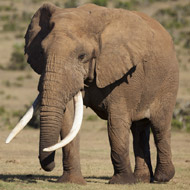
The Great Elephant Census shows a 30 per cent decline in African savanna elephant populations over a seven-year period.
US authorities are set to reverse the ban on importing African elephant trophies from Zimbabwe and Zambia, US media reports.
Imports were banned in 2014 under the Obama administration. However, a federal government agency said imports could begin again today (17 November), for elephants that are legally hunted in Zimbabwe and Zambia, according to BBC News.
The US Fish & Wildlife Service told US media outlets that it had received new information to support the reversal of the ban.
In a statement, it said: ‘Legal, well-regulated sport hunting as part of a sound management program can benefit the conservation of certain species by providing incentives to local communities to conserve the species and by putting much-needed revenue back into conservation.
‘To support conservation, hunters should choose to hunt only in countries that have strong governance, sound management practices, and healthy wildlife populations.’
Conservation groups expressed despair at the news.
The Elephant Project tweeted: ‘Reprehensible behaviour by the Trump Admin. 100 elephants a day are already killed. This will lead to more poaching.’
Meanwhile the David Sheldrick Wildlife Trust said it was ‘deeply disappointed’ by the move, which is a ‘backwards step for ethical conservation’ of elephants.
WWF says around 20,000 African elephants are killed each year for their tusks.
The Great Elephant Census shows a 30 per cent decline in African savanna elephant populations over a seven-year period. The current rate of decline was found to be eight per cent, primarily due to poaching.


 Eligible members of BEVA will be able to vote for their Council team until Monday, 17 August 2026. Members will have received an election email on 17 July.



