


Asiatic cheetah numbers fall below 50
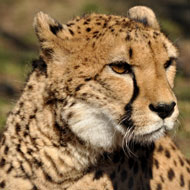
Asiatic cheetahs are classed as critically endangered on the IUCN Red List.
There are just 43 Asiatic cheetahs left in the wild, all of which are in Iran, conservationists warned in an open letter to the journal Nature this month.
Efforts to save the species faced a ‘major blow’ in November, when the United Nations Development Program announced its withdrawal from a project to reverse declining numbers.
A joint letter by Iranian conservationist Jamshid Parchizadeh and Samuel Williams from the University of Venda in South Africa, urged the Iranian government ‘not to give up’ on cheetah conservation.
Management of the project will now fall largely to the country’s Department of the Environment, the head of which has said the cheetah is ‘doomed to extinction’, based on declining numbers since 2001. This is according to Iranian conservationist Jamshid Parchizadeh and Samuel Williams from the University of Venda in South Africa, who penned the joint letter to Nature.
‘We urge Iran’s government not to give up on cheetah conservation,’ they continued. ‘It should instead look to the example of the giant panda (Ailuropoda melanoleuca) in China.
‘The Chinese government and its partners undertook to develop breeding programmes in the 1950s and to protect bamboo-forest habitats in the 1980s. The strategy was so successful that pandas were last year downlisted from endangered to vulnerable.’
Saving the Asiatic cheetah from the brink of extinction will require cooperation between governmental and non-governmental organisations, as well as grassroots stakeholders, they added. The government’s ‘wholehearted support’ will also be critical.


 Eligible members of BEVA will be able to vote for their Council team until Monday, 17 August 2026. Members will have received an election email on 17 July.



