


EU members back near-total neonics ban
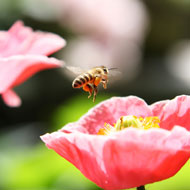
Environmentalists have welcomed the move, with the global activism site Avaaz calling it a “beacon of hope for bees”.
EU member states have voted in favour of a near-total ban on the use of neonicotinoids, after research has long linked their use to declines in pollinators.
Under the newly agreed regulation, nearly all outdoor uses of imidacloprid, clothianidin and thiamethoxam will be banned. It builds on the EU’s partial ban, which was introduced in 2013.
Currently, restrictions on these chemicals apply to crops such as maize, wheat, barley, oats and oil seed rape.
Going forward, growers across the EU will only be able to use these neonicotinoids in greenhouses. The ban will be adopted in the coming weeks and will be in force by the end of the year.
The new regulation was driven by a recent report from the European Food Safety Authority (Efsa), which found that all neonicotinoids are a threat to many bee species, regardless of where or how they are used in the environment.
Environmentalists have welcomed the move, with the global activism site Avaaz calling it a “beacon of hope for bees”, according to BBC News.
However, the National Farmers Union said it was ‘a regrettable decision that is not justified by the evidence’.
Guy Smith, NFU deputy president, said: “Most agronomists agree that without neonicotinoids many crops grown in the UK will become less viable and a ban could simply mean we import more crops from parts of the world where there is no political desire to ban these key insecticides.
“So we will be looking to both the UK Government and the Commission to work with the industry to mitigate the effect of a ban on both food production and the environment.”


 Eligible members of BEVA will be able to vote for their Council team until Monday, 17 August 2026. Members will have received an election email on 17 July.



