


Frogs and toads in decline in Scotland - survey
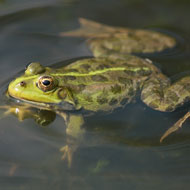
RSPB Scotland is urging people to create simple homes for frogs and toads in their gardens, to help reverse the declines.
The public are being urged to build garden ponds, as survey results show Scotland’s frog and toad populations are in decline.
Sightings of toads in Scottish gardens have fallen by 25 per cent in four years, according to the RSPB’s wildlife survey, which included results from more than 10,300 gardens.
Just half of those who took part had seen a toad in their garden in the past year, which represents a decline of seven per cent. Overall, toads were seen in 17 per cent of outdoor spaces on a monthly basis.
Meanwhile, sightings of frogs fell by five per cent since the last survey in 2014.
RSPB Scotland is urging people to create simple homes for frogs and toads in their gardens, to help reverse the declines.
Species and habitats officer, James Silvey, said: “It’s very easy to give them a helping hand by creating a small pond, or using a washing up bowl to make a pool away from sunlight and well covered with plants. These simple tasks to help them can have a positive impact on a whole range of garden wildlife too.”
Other results from the Big Garden Birdwatch survey suggest there was a small rise in the number of hedgehog sightings, with 62 per cent of people in Scotland spotting one in their garden over the past year.
Foxes remained one of the most common garden visitors and were seen in 70 per cent of gardens and outdoor spaces.
Scotland was also shown to be a stronghold for red squirrels. Across the UK as a whole, only six per cent of people had seen the mammals in their gardens over the past year, while in Scotland the figure was 37 per cent.


 Eligible members of BEVA will be able to vote for their Council team until Monday, 17 August 2026. Members will have received an election email on 17 July.



