


Report on UK fur trade published
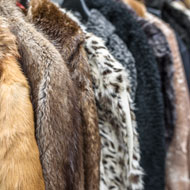
Fur farming was banned in the UK in 2000 and EU regulations make it illegal to trade in fur from domestic cats and dogs or commercial seal hunts.
Retailers and Trading Standards have been ‘complacent’ about the issue of real fur being sold as fake fur, according to a recent inquiry.
The Environment, Food and Rural Affairs (Efra) Committee published its report, Fur Trade in the UK, following a string of recent high-profile cases involving real fur being sold as fake fur by a number of major retailers.
According to the committee, enforcement of the regulations surrounding the sale of fur has been poor and retailers named in the report ‘did not do enough’ to counter the mis-selling of fur as fake fur.
“Reports of real fur being sold as fake fur shows that retailers are flouting their responsibility to consumers,” Efra chair Neil Parish. “The mis-selling of real fur should not be discovered by campaign organisations and the media, but by Trading Standards officers and retailers.
“Retailers of all sizes are complacent about the issue of fake faux fur. It is illegal to give misleading information and Trading Standards have been poor at identifying and acting against those who are doing so.”
Mr Parish added that Brexit offers an opportunity to improve the UK’s labelling system; however, this will depend on the nature of the future EU-UK trading relationship.
Key recommendations in the report:
- the government should launch a public consultation on whether to ban the sale of real fur
- local authorities must be properly resourced, take more responsibility and provide training for Trading Standards officers
- recent work to improve the supply chain and communication with online sellers must continue
- mis-selling of real fur as fake fur should be proactively investigated
- post-Brexit, a new mandatory labelling regime should be introduced to identify fur and other animal products accurately; including the species of fur, country of origin and method of production.
Fur farming was banned in the UK in 2000 and EU regulations make it illegal to trade in fur from domestic cats and dogs or commercial seal hunts. However, the UK continues to import and sell fur from a range of other species including fox, rabbit, mink, coyote, raccoon dog and chinchilla.


 Eligible members of BEVA will be able to vote for their Council team until Monday, 17 August 2026. Members will have received an election email on 17 July.



