


DNA study sheds light on myxoma resistance
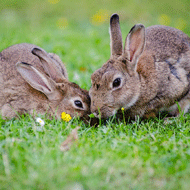
Australia released myxomatosis in 1950 to tackle the burgeoning rabbit population.
An unprecedented rabbit DNA study has shed light on how rabbits have acquired resistance to myxomatosis.
Research led by the University of Cambridge and the CIBIO Institute in Porto looked at DNA from nearly 200 rabbits spanning 150 years and thousands of miles.
The team sequenced nearly 20,000 genes to pinpoint mutations since the myxomatosis pandemic in the 1950s.
According to findings published in the journal Science, modern rabbits in the UK, France and Australia, have acquired resistance to the myxoma virus through the same genetic changes. They also discovered that this process relied on lots of small mutations in different genes, rather than big changes in single genes.
Findings also suggest the protein that helps rabbits fight myxoma, also has an antiviral effect on an unrelated virus, vesicular stomatitis.
Miguel Carneiro, from CIBIO said: “While battling myxoma, rabbits may have increased their resistance to other viruses including, perhaps, rabbit haemorrhagic disease which is killing so many animals right now.”
Australia released myxomatosis in 1950 to tackle the burgeoning rabbit population, which was impacting the country’s native plants and animals. It is thought that the European rabbit was introduced to the country in the 1850s and within a century the population grew to hundreds of millions.
Within three months of releasing myxomatosis, it had spread 2,000km and killed 99 per cent of infected animals. It was illegally introduced to France in 1952 and spread to the UK in 1953, with similarly devastating consequences in all three countries.
Myxoma continues to present a serious threat to rabbits. Lead author Dr Joel Alves said: “Viral evolution appears to be finding ways to counter the genetic adaptations which we’ve observed. Recent, more virulent recent strains of myxoma virus, have been found to be extremely immunosuppressive. So the arms race goes on.”
As rabbit populations collapse across the UK and mainland Europe, researchers said the findings could provide clues to the future of the species.


 Eligible members of BEVA will be able to vote for their Council team until Monday, 17 August 2026. Members will have received an election email on 17 July.



